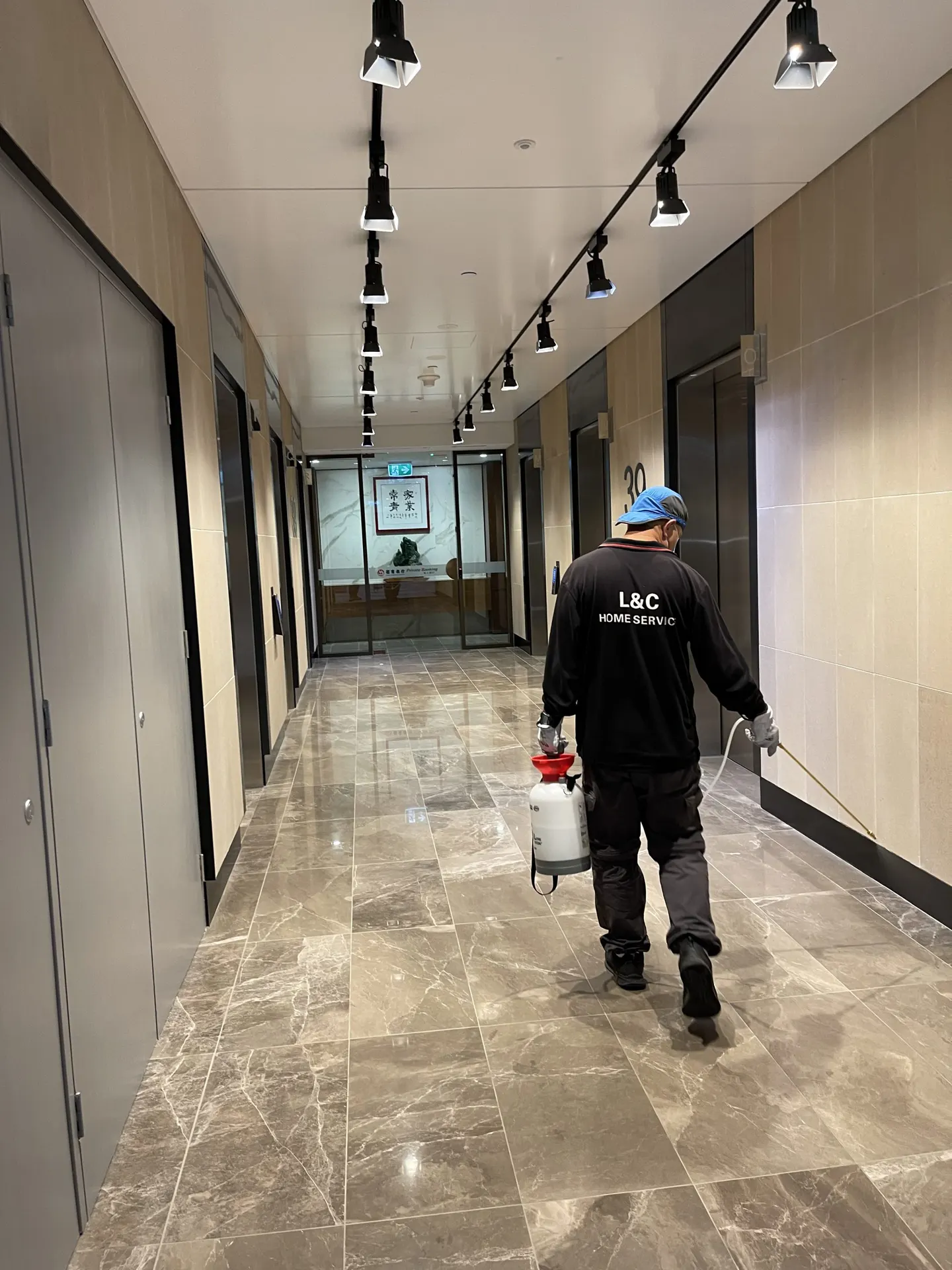
Pest control technician inspecting an Australian property

Pest Control Knowledge

Pest Control Knowledge Hub

Practical Australian pest control guidance for homes, rentals, strata properties and commercial sites. Learn what to look for, how to reduce risk and when to book professional support.

Inspection And Identification

Correct identification, pest biology and property conditions guide the safest and most effective control method.

Prevention And Treatment Planning

Combine hygiene, exclusion, monitoring, maintenance and targeted treatment instead of relying on one response.

Seasonal Property Care

Plan for warm-weather insect pressure, wet-period moisture risks and cooler-month rodent movement.

Urban Pest Management

Practical principles behind effective pest control

Pest control works best when inspection findings, pest biology and property conditions are considered together. These principles underpin the guidance in this hub.

Start With Identification

Different pests behave differently. Species, life stage, harbourage, food, water and access points should be checked before choosing a control method.

Use Integrated Pest Management

Professional urban pest management combines inspection, sanitation, exclusion, monitoring, physical controls and targeted product use where appropriate.

Treat Conditions, Not Just Symptoms

Long-term results usually depend on reducing the conditions pests need: food residue, moisture, cracks, clutter, drainage issues and easy entry points.

Keep Safety Central

Any treatment around homes, food premises, children, pets or commercial stock should follow product label directions and site-specific risk controls.

SEO Articles

Practical pest control articles for Sydney properties

Read focused guides for common Australian pest issues, with clear inspection points, prevention steps and treatment planning considerations.

CockroachesGerman cockroaches and common urban cockroach species

Cockroach Control In Sydney Kitchens And Apartments

A practical guide to cockroach harbourages, food and moisture control, and when Sydney homes or food premises need a targeted treatment plan.

Sydney homes, apartments and food premises5 min readUpdated 18 May 2026
Read article
TermitesSubterranean termites

Termite Inspection Guide For Sydney Homes

How Sydney property owners can recognise termite risk factors, protect timber and know when a timber pest inspection is needed.

Sydney houses, townhouses and strata properties6 min readUpdated 18 May 2026
Read article
RodentsRats and mice

Rodent Control For Sydney Roof Voids And Businesses

How to recognise rodent activity, reduce entry points and plan safer control around Sydney homes, roof voids and commercial sites.

Sydney homes, roof voids, shops and warehouses5 min readUpdated 18 May 2026
Read article
End of Lease Pest ControlFleas, cockroaches, ants and spiders

End Of Lease Pest Control In Sydney Rentals

A clear guide for tenants and property managers preparing a Sydney rental for end-of-lease pest control.

Sydney rental properties and apartments4 min readUpdated 18 May 2026
Read article
CockroachesGerman cockroaches

Why German Cockroaches Are Common in Sydney Apartments

German cockroaches are a common problem in Sydney apartments because they thrive in warm, compact spaces with food, moisture and shared building access.

Sydney apartments and unit blocks5 min readUpdated 18 May 2026
Read article
Seasonal Pest TipsGeneral household and commercial pests

How Often Should You Book Pest Control in Sydney?

Pest control frequency depends on property type, pest pressure, season, building condition and whether the site is residential, rental, strata or commercial.

Sydney homes, strata properties and businesses5 min readUpdated 18 May 2026
Read article
TermitesSubterranean termites

Termite Inspection Checklist for Sydney Homeowners

A practical termite inspection checklist for Sydney homeowners covering moisture, timber, garden edges, subfloors and visible warning signs.

Sydney houses and townhouses6 min readUpdated 18 May 2026
Read article
End of Lease Pest ControlFleas and general household pests

End of Lease Pest Control: What Tenants Need to Know

What Sydney tenants should know about end-of-lease pest control, including timing, cleaning, access, pets and documentation for property managers.

Sydney rental properties4 min readUpdated 18 May 2026
Read article
SafetyGeneral household pests

Are Pest Control Treatments Safe for Kids and Pets?

A practical safety guide for families booking pest control around children, pets, food areas and everyday household routines.

Sydney family homes and apartments5 min readUpdated 18 May 2026
Read article
Commercial Pest ControlCockroaches, rodents, ants and stored product pests

Why Restaurants Need Regular Pest Control in NSW

Restaurants in NSW need regular pest monitoring because food, warmth, moisture, waste and deliveries can create ongoing pest pressure.

NSW restaurants, cafes and food premises6 min readUpdated 18 May 2026
Read article
Seasonal Pest TipsCockroaches, ants, spiders, mosquitoes and rodents

Common Summer Pests in Sydney

Sydney summer can increase activity from cockroaches, ants, spiders, mosquitoes and other pests, especially where food, water and shelter are available.

Sydney homes, apartments and outdoor areas5 min readUpdated 18 May 2026
Read article
PreparationGeneral household and commercial pests

What to Do Before and After Pest Control Treatment

Simple preparation and after-care steps can help pest control treatment work properly while keeping the property organised and safe.

Sydney homes, apartments and businesses5 min readUpdated 18 May 2026
Read article

Related Services

Turn pest control advice into a service plan

These service pages explain what is included, how to prepare and what to ask before booking.

Knowledge Categories

Find advice by pest or property need

This hub is organised around the pest issues Australian property owners, tenants, agents and businesses commonly need to manage.

Practical Guidance

What this hub helps you decide

Pest problems are easier to manage when the issue is identified early and the property conditions are understood. Use these guides as a starting point before arranging an inspection, treatment or end-of-lease service.

What signs should be checked first

Which conditions may be attracting pests

When DIY prevention is unlikely to be enough

How to prepare a property before treatment

Topic Overviews

Pest control guidance for Australian properties

Each topic focuses on useful, non-alarmist steps for prevention, inspection readiness and treatment planning.

Cockroaches

  • Check kitchens, laundries, bathrooms, drains, appliances, warm motor housings and tight cabinet gaps where cockroaches can hide during the day.
  • Remove food residue, grease build-up, cardboard clutter and standing moisture before populations become established.
  • German cockroaches reproduce quickly and can build large numbers in small harbourages, so repeated surface spraying alone is rarely a sound plan.
  • In food premises, cooperation between the technician and site staff matters: cleaning access, waste handling and monitoring all affect the result.

Termites

  • Watch for mud leads, damaged timber, tight-fitting doors, blistered paint and hollow-sounding skirting boards.
  • Moisture, concealed entry and soil-to-structure contact are key risk factors around subfloors, slab edges, garden beds and wet areas.
  • Keep stored timber, dense vegetation and irrigation away from building edges where possible, and correct drainage or plumbing leaks promptly.
  • Do not disturb suspected active termites before an inspection, because disturbance can make activity harder to trace and assess.
  • Book a timber pest inspection if activity is suspected or before buying, selling or renovating.

Rodents

  • Look for droppings, gnaw marks, scratching noises, greasy rub marks and night-time activity around roof voids, garages and subfloors.
  • Seal gaps around pipes, garage doors, vents, weep holes and service penetrations after likely entry points are identified.
  • Reduce food access by securing bins, pet food, compost and stored goods, especially around commercial waste and delivery areas.
  • Use baiting, trapping and monitoring carefully, especially around children, pets, food areas and commercial stock.

Ants

  • Trace trails to understand where ants are entering and what is attracting them.
  • Store food securely, clean spills quickly, manage bins and trim vegetation touching the building.
  • Baiting strategies must match the species and feeding behaviour, and bait placement should consider children, pets and food-handling areas.
  • Persistent activity can indicate a nest or colony that needs targeted treatment rather than surface spraying alone.

Spiders

  • Inspect eaves, window frames, sheds, garages, outdoor furniture and stored boxes.
  • Reduce clutter and remove webs as part of regular property maintenance.
  • Not every spider or arthropod is a pest, so identification and sensible risk assessment are important before treatment.
  • Professional treatments can help manage high-activity areas around external building edges, storage zones and sheltered outdoor spaces.

Bed Bugs

  • Check mattress seams, bed frames, skirting boards, luggage and nearby furniture after travel.
  • Bed bugs usually feed at night and can hide in very small cracks close to resting areas, so inspection needs to be detailed.
  • Avoid moving affected bedding, furniture or luggage through the property without a treatment plan.
  • Preparation and follow-up checks are important because eggs and hidden harbourages can be missed in a single visit.

End of Lease Pest Control

  • Confirm lease, agent or strata requirements before booking a vacate pest treatment.
  • Plan access after cleaning where possible so floors, skirting edges, cupboards, outdoor edges and pet areas are clear and ready.
  • Tell the technician about pets, recent pest sightings and any restricted access areas before treatment starts.
  • Keep service details and documentation available for the property manager or agent.

Commercial Pest Control

  • Restaurants, offices, warehouses and strata sites benefit from scheduled inspections and clear reporting.
  • Food-handling areas need careful prevention around waste, deliveries, drains, equipment bases, wall gaps and dry storage zones.
  • Kitchen design, cleaning access and reduced cracks or crevices can make a major difference to cockroach prevention.
  • Integrated pest management helps businesses reduce risk through routine monitoring, staff cooperation and targeted corrective actions.

Seasonal Pest Tips

  • Warm weather can increase activity from cockroaches, ants, spiders and flying insects, especially where food and moisture are available.
  • Cooler months often bring more rodent pressure as pests seek shelter in roof voids, garages, sheds and wall cavities.
  • After heavy rain, check drainage, subfloors, garden edges and moisture-prone areas for renewed pest activity.
  • Seasonal prevention works best before pressure peaks, not only after pests are already active inside.

Homes, rentals and strata

Use the hub to prepare for inspections, improve prevention around entry points and understand what information helps a pest technician assess the property.

Commercial and managed sites

Find practical considerations for routine monitoring, food area hygiene, waste handling, reporting and scheduled pest management across busy sites.

Need Pest Advice?

Speak with LC Pest Control

If you are seeing active pests, preparing for an end-of-lease requirement or managing a commercial site, contact the team with your property details and the pest issue you are concerned about.

Contact Us