Rodent Control Sydney
Rodent problems in Sydney often involve roof voids, garages, subfloors, waste areas and gaps around services. A professional plan focuses on signs, entry points, food access and safe placement of monitoring or control devices.
Price List
From $250 +GST
Indoor rodent control is listed at $250 +GST. Outdoor service, monitoring and combined service have separate listed prices.
View full Price ListSigns of infestation and common problems
- You hear scratching, running or gnawing noises in the roof or walls at night.
- You find droppings, chewed packaging, greasy rub marks or damaged stored goods.
- Rodents are appearing around bins, garages, restaurants, warehouses or subfloors.
- DIY baits or traps have not stopped the activity or you are worried about pets and children.
Why professional treatment is needed and what is included
- Inspection of likely rodent activity zones, entry points and harbourage areas.
- Assessment of droppings, gnaw marks, rub marks, access gaps and food sources.
- A treatment and monitoring approach suited to the site, occupants and access.
- Practical advice on exclusion, waste handling, pet food, storage and building gaps.
- Follow-up guidance where ongoing monitoring, bait refresh or entry-point work may be needed.
Real Service Photos
What this service can look like on site
These real L&C Pest Management work photos show typical access areas and service conditions. Exact scope depends on the selected Price List service, property type and site access.
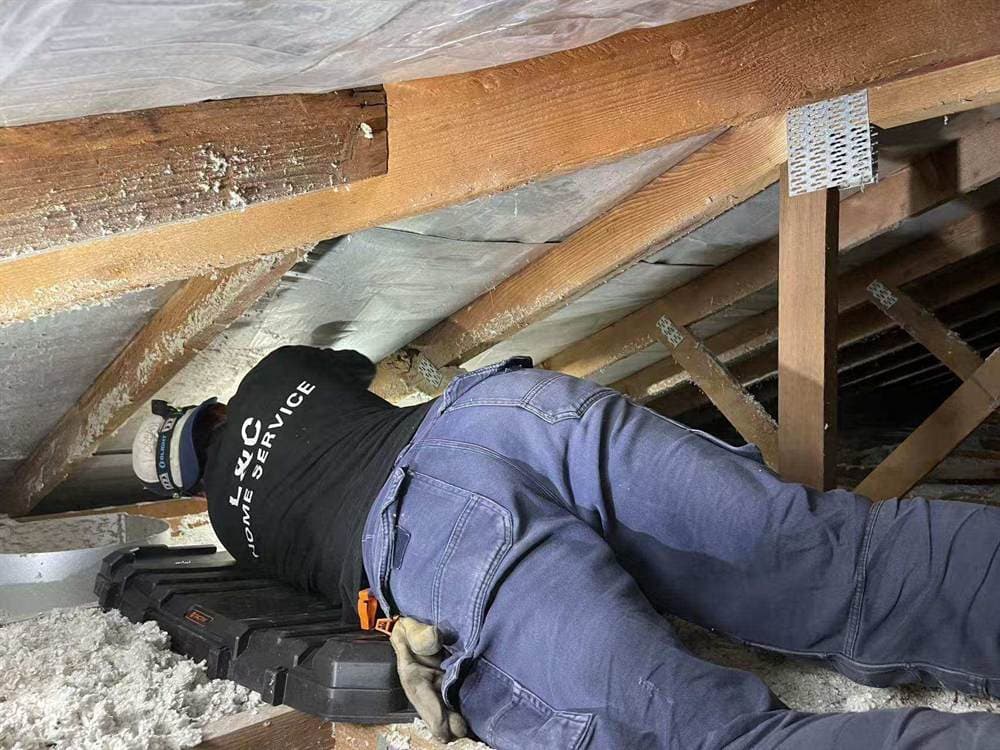
Roof void activity checks
Rodent control often starts with signs such as roof noises, droppings, gnaw marks and possible entry points.
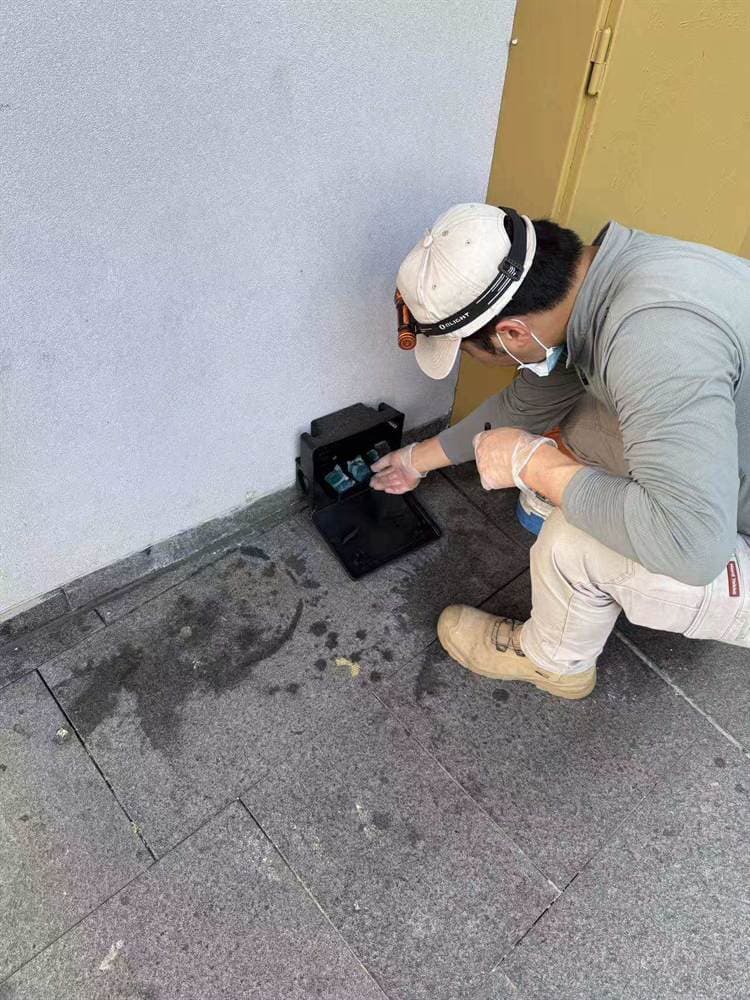
Safe monitoring and placement
Placement depends on site access, pest signs, pets, children, food areas and building conditions.
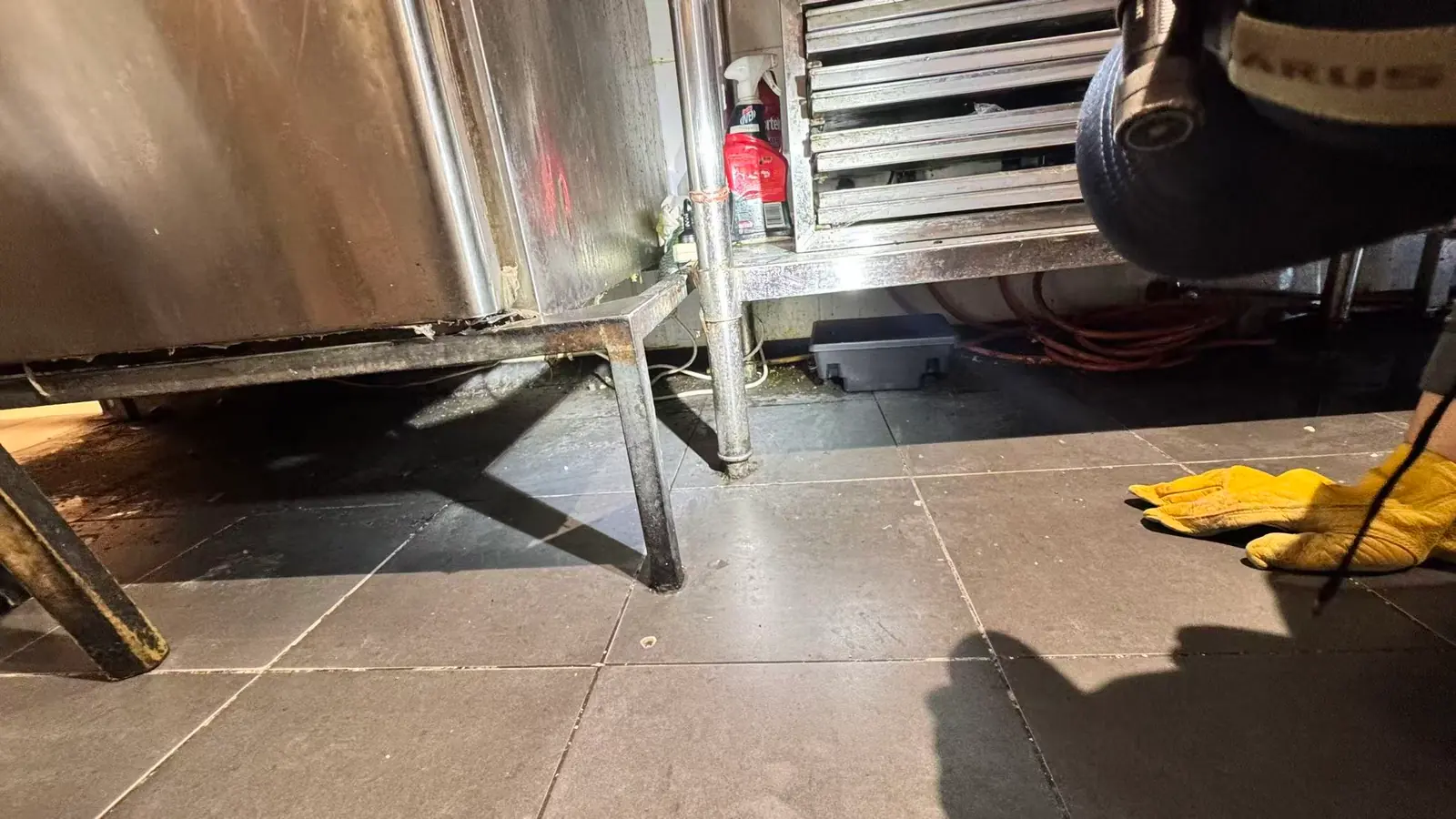
Restaurant rodent station placement
This real placement keeps a locked station close to a protected back-of-house route while remaining outside food-contact areas.
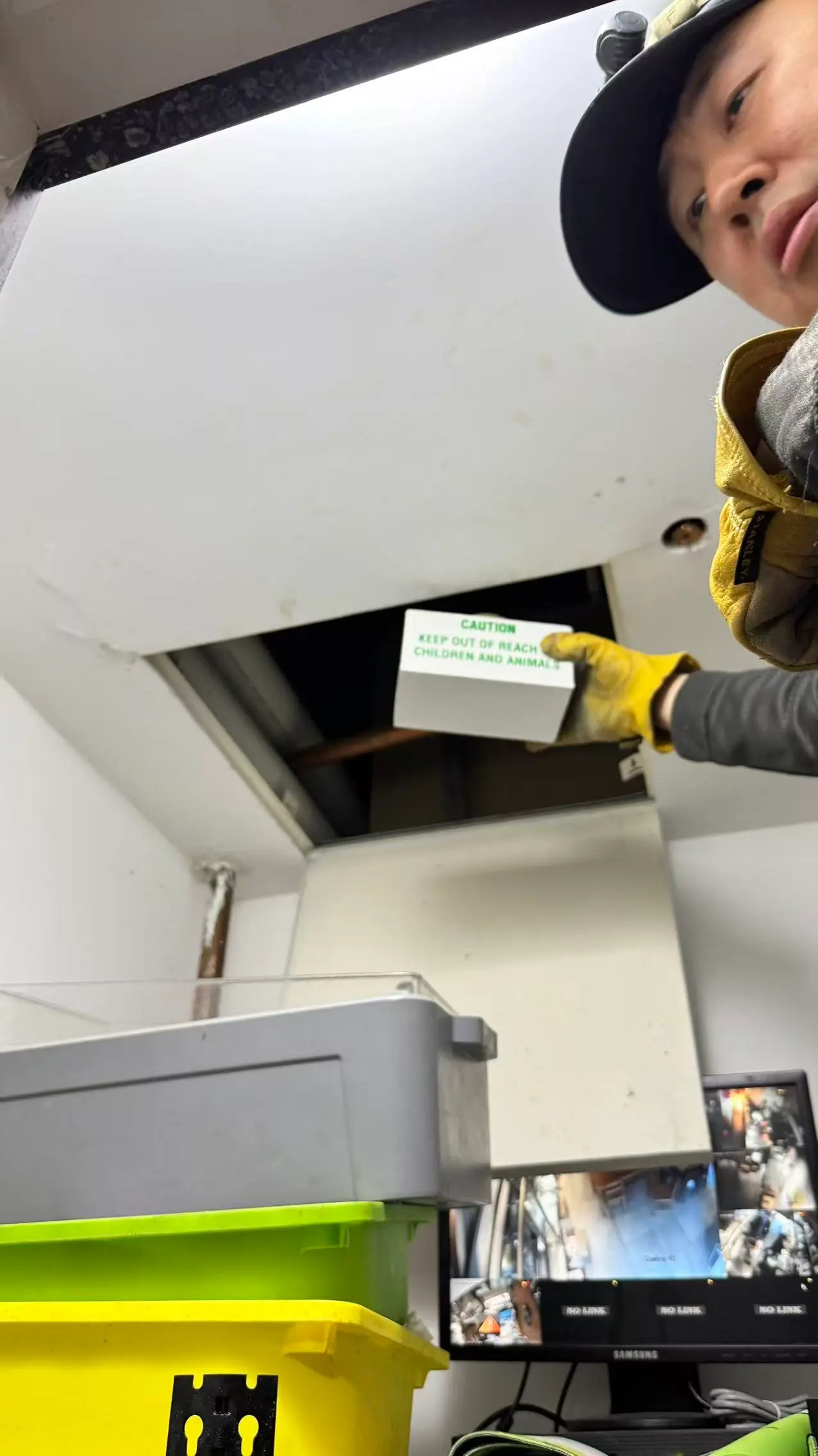
Ceiling-void rodent placement
Accessible ceiling voids may be included when inspection findings show an appropriate protected monitoring or treatment point.
Suitable for
- Homes with roof void or wall cavity noises.
- Restaurants, cafes and food storage areas with rodent risk.
- Garages, sheds, warehouses and commercial waste zones.
- Strata and managed properties with recurring rodent reports.
Before service preparation
- Share where noises, droppings or damage have been noticed.
- Clear access to roof void entries, garages, subfloors, storage areas and bin zones where practical.
- Secure food, pet food, bird seed, compost and waste before service.
- Tell the technician about children, pets, wildlife exposure and food-handling areas.
After service care
- Keep food and waste secured after treatment.
- Do not move monitoring devices or bait stations without checking first.
- Seal gaps only after likely entry points and activity patterns have been assessed.
- Report continued noises, odours or new droppings so follow-up advice can be given.
Warranty and re-treatment note
Rodent results depend on access, sanitation, entry-point reduction, neighbouring activity and ongoing monitoring. Warranty support and re-baiting needs should be confirmed for the specific site.
Anonymous Service Examples
Real local situations for this service
Anonymous Parramatta office rodent case
Staff found dark rodent droppings around the kitchenette, print area and storage cupboards. Food packaging near bins was occasionally damaged overnight, and cleaners heard movement above the ceiling. The kitchenette, cleaner room, storage cupboards, ceiling access, service risers and temporary waste area were inspected. Locked rodent stations and monitoring points were placed in safe locations, with practical advice on sealed food storage and entry-point reporting to building management. After one week, the customer reported no fresh droppings or damaged food packaging. At the two-week review, monitoring activity had reduced and the office was back to normal use. Monthly monitoring was recommended because nearby food, commercial and building activity can attract rodents.
View Parramatta pageAnonymous Ryde townhouse rodent case
A townhouse customer heard scratching behind the kitchen wall and in the roof void. Droppings were found near the dishwasher and garage corner, with concern about children contacting contaminated areas. Garage door gaps, kitchen pipe entries, the hot water cupboard, roof space, rear drainage points and the shared bin area were inspected. Rodent stations were placed in the garage, roof void and safe external areas, with advice on sealing gaps and storing pet food and dry goods. One week later, scratching noises had reduced and no fresh droppings were found in the garage. After three weeks, there were no new indoor signs, and regular cleaning and rodent monitoring around the shared bin area was recommended.
View Ryde pageAnonymous North Sydney office rodent case
An office customer found rodent droppings under kitchenette cabinets, near paper storage and around a ceiling access point. Nearby cafes, high foot traffic and a busy building waste area increased concern about recurring activity. The office, shared corridor, ceiling void, kitchenette, cleaner room, garbage room and loading dock areas were inspected. Tamper-resistant rodent stations were placed in non-contact areas, ceiling void zones and around higher-risk common areas, with recommendations for bin room cleaning and door-gap repairs. After one week, no fresh droppings were reported in the kitchenette and ceiling noise had reduced. At follow-up, bait activity was mostly outside the office and in common areas, so regular commercial maintenance was recommended at building level.
View North Sydney pageFAQs
What are common signs of rodents in a Sydney property?
Common signs include night-time scratching, droppings, gnaw marks, chewed packaging, greasy rub marks, odours and activity around roof voids, garages, bins or storage areas.
Is sealing gaps enough to stop rodents?
Sealing is important, but timing matters. Entry points should be assessed alongside activity, food sources and monitoring so rodents are not trapped inside the building.
Can rodent control be done around pets?
Yes, but site safety must guide the plan. Tell the technician about pets, children, wildlife exposure and food areas before treatment starts.
Areas We Service
This service is frequently booked in the Sydney suburbs below. Open your suburb page for local pest patterns, service scenarios and booking details.