Termite Inspection Sydney
Termites can stay concealed in timber, soil contact, moisture-prone areas and building voids. A termite inspection helps identify visible signs, risk conditions and next steps.
Price List
$300 +GST inspection
Timber pest inspection includes a PDF report. Termite treatment is listed from $2000 - $5000 depending on property size.
View full Price ListSigns of infestation and common problems
- You have found mud leads, damaged timber or hollow-sounding skirting boards.
- There are moisture issues near bathrooms, subfloors, garden beds or slab edges.
- You are buying, selling or renovating and need a clearer timber pest risk picture.
- You suspect activity but do not want to disturb termites before inspection.
Why professional treatment is needed and what is included
- Visual inspection of accessible internal, external and surrounding areas.
- Assessment of visible termite signs and conducive conditions.
- Checks around moisture-prone zones, timber contact, garden edges and accessible voids.
- Practical advice on next steps if termite activity or risk conditions are found.
- Report options where required for property, agent or purchase needs.
Price List category and standard scope
Use the Timber Pest Inspection with PDF report row in the Price List. Termite treatment is listed separately and depends on property size and site conditions.
Sydney property notes
- Sydney homes with garden beds against walls, moisture issues, timber storage or subfloor access limits should mention those details before inspection.
- Apartments, townhouses and strata properties may need access approval for common areas, roof voids or subfloors.
- Photos of mud leads, damaged timber or moisture-prone areas can help identify what needs attention during the inspection.
- Spring (September to November) is termite swarming season in Sydney. On warm, humid evenings, mature colonies release winged termites (alates) to start new nests, and this is when many owners first notice activity — swarmers around outdoor lights, shed wings on windowsills, or mud leads on walls and piers. Seeing swarmers near your home does not always mean the house is infested, but it does mean a mature colony is active nearby, so booking an inspection sooner rather than later matters. Do not spray swarmers or break mud leads before the visit, because disturbing termites makes activity harder to trace.
Not included in the standard listed service
- Opening walls, destructive testing, building repairs or moisture repair work.
- Treatment, baiting or chemical barrier installation unless it is separately selected and arranged.
- Guarantees that concealed termites will never appear after an inspection of accessible areas.
Real Service Photos
What this service can look like on site
These real L&C Pest Management work photos show typical access areas and service conditions. Exact scope depends on the selected Price List service, property type and site access.
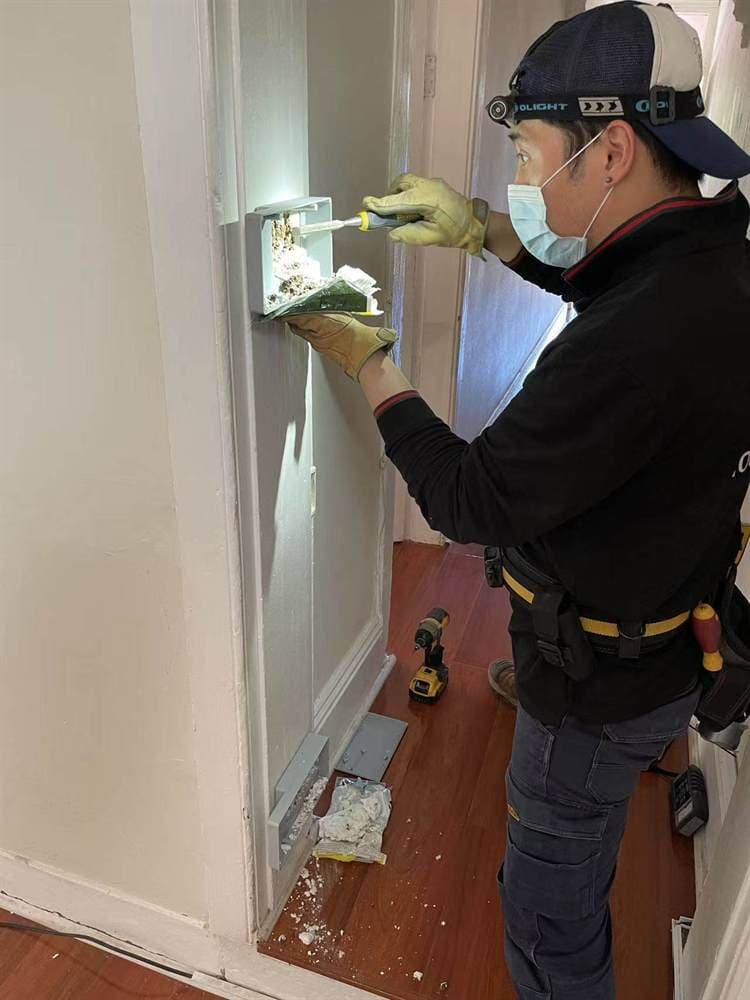
Wall and moisture-area checks
Termite inspections consider visible damage, moisture conditions, wall edges and other risk signs.
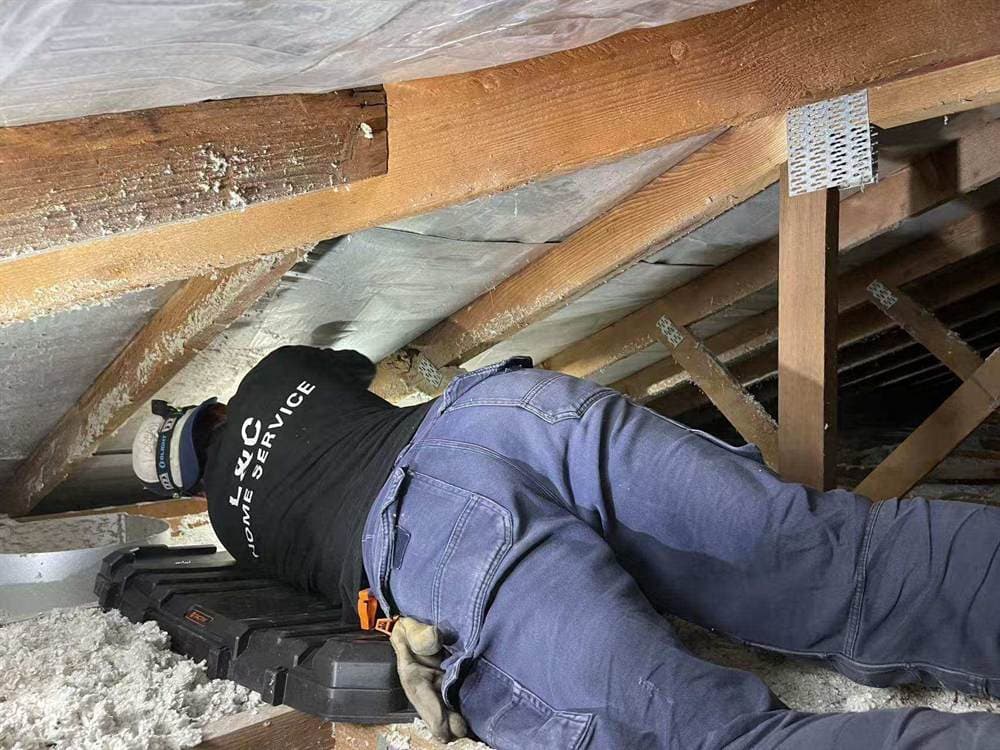
Roof void and timber access
Where access is available, roof voids and timber areas may be checked as part of broader pest risk assessment.
Suitable for
- Homeowners who notice possible termite warning signs.
- Buyers arranging pre-purchase checks.
- Property managers handling suspected termite reports.
- Owners planning renovations or repairs around timber areas.
Before service preparation
- Do not break open mud leads, spray suspected termites or remove damaged timber before inspection.
- Clear access to subfloor entries, roof void access, garages, storage rooms and external walls where practical.
- Point out previous leaks, drainage issues, renovations or known termite history.
- Provide any previous pest reports if available.
After service care
- Review the inspection findings and recommended next steps before disturbing affected areas.
- Address moisture, drainage, stored timber and garden contact risks where advised.
- If activity is suspected, wait for a treatment plan before removing timber or opening walls.
- Keep inspection records for future property maintenance or sale discussions.
Warranty and re-treatment note
A termite inspection is an assessment of accessible areas at the time of inspection, not a guarantee that termites will never appear. Treatment warranty, if applicable, depends on the treatment method, property conditions and ongoing monitoring.
Anonymous Service Examples
Real local situations for this service
Anonymous house termite enquiry near a bedroom wall
The customer noticed mud-like material along a bedroom wall edge. A termite inspection found activity linked to moisture from a bathroom leak beside the bedroom wall, followed by urgent treatment. The customer reported no visible termite activity after about two months and later added broader termite protection for the property.
View Chatswood pageFAQs
Is a termite inspection the same as termite treatment?
No. An inspection assesses visible activity and risk conditions. Treatment planning depends on the findings, termite species, building structure, access and site conditions.
Should I disturb termites before the inspection?
No. Disturbing suspected termites can make activity harder to trace and assess. Leave mud leads, damaged timber and affected areas as they are until inspected.
How often should Sydney homes get a termite inspection?
A professional inspection at least once every 12 months is a common recommendation for Sydney homes. Shorter intervals can suit higher-risk properties, such as older timber homes, houses near bushland or mature trees, and properties with past termite activity or persistent moisture issues. Spring swarming season is a practical reminder to book if more than a year has passed since the last inspection.
I saw flying termites near my home, what should I do?
Do not spray them or disturb any mud leads. Note where they appeared, take photos if you can, keep windows near outdoor lights closed in the evening, and arrange a termite inspection. Swarmers mean a mature colony is active somewhere nearby, and an inspection can establish whether your own home shows signs of activity or risk conditions.
Areas We Service
This service is frequently booked in the Sydney suburbs below. Open your suburb page for local pest patterns, service scenarios and booking details.