Bed Bug Treatment Sydney
Bed bugs can hide in mattress seams, bed frames, furniture gaps, skirting edges and luggage. Treatment success depends on detailed inspection, preparation and follow-up expectations.
Price List
$250 +GST per room
Follow-up treatment is listed at $150 +GST per room where required for heavy activity.
View full Price ListSigns of infestation and common problems
- You notice bites, blood spots, dark marks or live insects around beds or furniture.
- Activity appears after travel, guests, second-hand furniture or a rental changeover.
- You are unsure which rooms or items may be affected.
- DIY sprays have not resolved the issue or may have spread activity.
Why professional treatment is needed and what is included
- Inspection guidance for sleeping areas, furniture, skirting edges and likely harbourages.
- Treatment planning based on room layout, activity level and access.
- Preparation advice to reduce clutter and avoid spreading bed bugs through the property.
- Aftercare expectations around monitoring, cleaning and follow-up checks.
- Advice for rentals, shared housing or accommodation settings where coordination may be needed.
Real Service Photos
What this service can look like on site
These real L&C Pest Management work photos show typical access areas and service conditions. Exact scope depends on the selected Price List service, property type and site access.
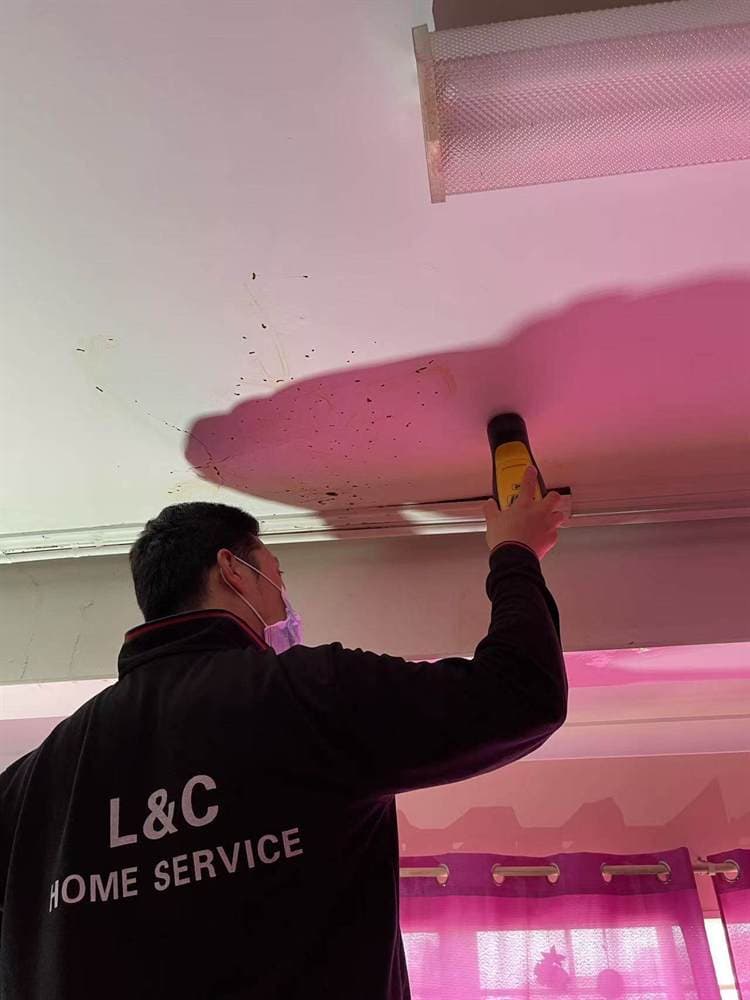
Interior inspection and preparation
Bed bug work needs careful inspection, preparation and follow-up planning around bedrooms, furniture and nearby edges.
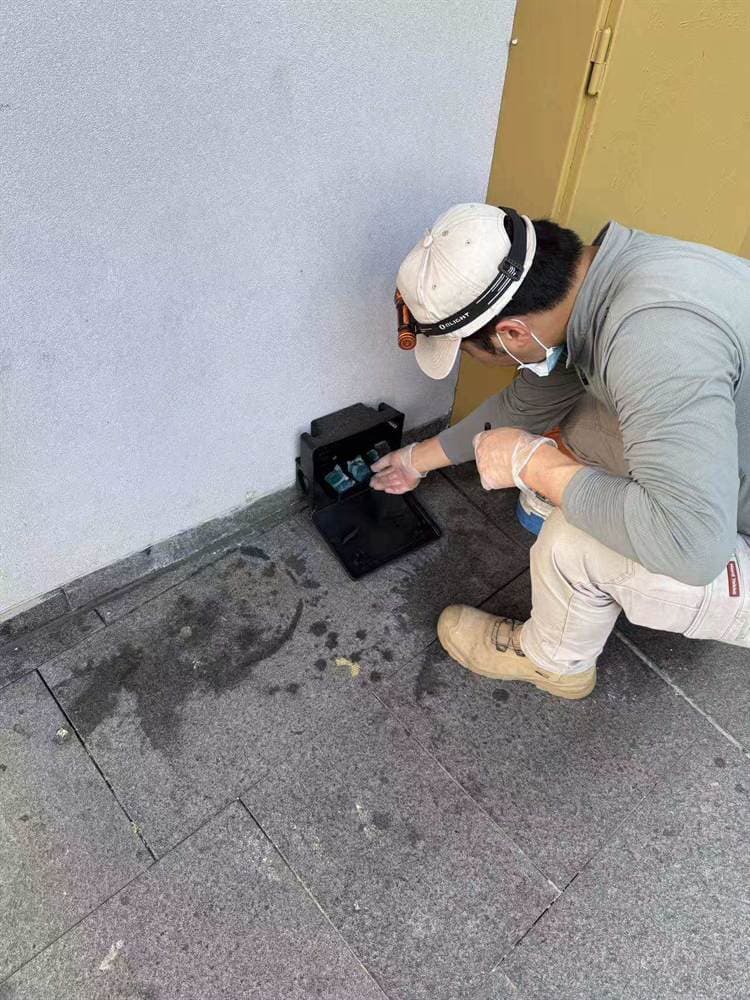
Apartment access notes
Apartment bookings should include level access, parking, room count, affected rooms and preparation status.
Suitable for
- Homes and apartments with suspected bed bug activity.
- Rental properties between tenants or after guest reports.
- Accommodation rooms or short-stay properties needing a careful response.
- People who have recently travelled or brought in second-hand furniture.
Before service preparation
- Do not move bedding, furniture or luggage through the property without advice.
- Reduce clutter around beds and skirting edges so inspection and treatment access is possible.
- Bag affected linen or washable items if instructed, and follow laundering guidance carefully.
- Tell the technician which rooms, beds, lounges and luggage may be involved.
After service care
- Follow the technician advice before vacuuming, moving furniture or replacing bedding.
- Continue monitoring beds, furniture and nearby edges for renewed activity.
- Avoid bringing untreated items back into treated rooms too soon.
- Arrange follow-up if recommended, especially where eggs or hidden harbourages are likely.
Warranty and re-treatment note
Bed bug results depend on preparation, access, clutter, activity level and follow-up where needed. Warranty conditions should be confirmed for the specific room and treatment plan.
Anonymous Service Examples
Real local situations for this service
Anonymous apartment bed bug treatment in Hurstville
The customer had recently moved into a high-rise apartment and noticed itchy bite patterns, with dark marks found around the mattress seam and bedhead. The bedroom, bed frame, skirting edges, curtains and carpet edges were inspected. Heat-assisted treatment and targeted residual treatment were completed, with laundering and drying guidance provided. The customer reported no further bites after the first visit. A second consolidation treatment was completed 10 days later, and a one-month follow-up reported no ongoing activity.
View Hurstville pageFAQs
What are signs of bed bugs?
Signs can include bites, dark spotting on mattress seams, blood marks, shed skins, live insects and activity near beds, lounges, skirting boards or luggage.
Should I throw away my mattress?
Do not throw away furniture without advice. Moving items can spread activity through the property. Ask the technician what should be treated, isolated or cleaned.
Will bed bugs need more than one visit?
Follow-up may be recommended depending on activity level, room access, preparation and whether eggs or hidden harbourages are likely.
Areas We Service
This service is frequently booked in the Sydney suburbs below. Open your suburb page for local pest patterns, service scenarios and booking details.